










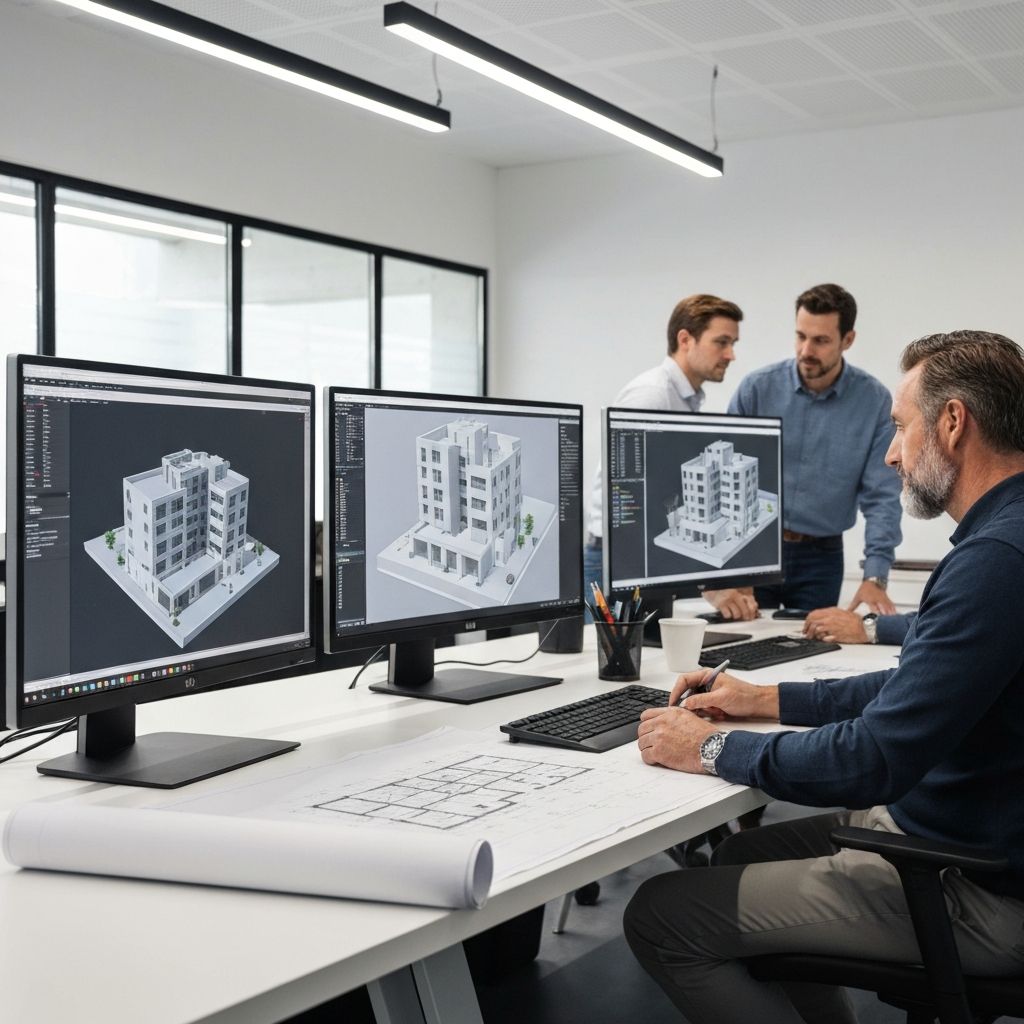
Building Information Modeling has evolved from a 3D visualization tool into the backbone of modern construction project management. Yet many organizations still treat BIM as an afterthought -- something the design team handles while the project team works from 2D PDFs. This guide covers the practices that separate BIM leaders from BIM laggards.
Start with a BIM Execution Plan
Every BIM-enabled project needs a BIM Execution Plan (BEP) before design begins. This document defines model ownership, level of development (LOD) requirements at each project phase, file naming conventions, clash detection protocols, and coordination meeting cadence. Without a BEP, you end up with inconsistent models that create more confusion than clarity.
Define LOD Requirements Clearly
Level of Development is frequently misunderstood. LOD 100 is a conceptual placeholder. LOD 200 shows approximate geometry. LOD 300 is construction-ready with exact dimensions. LOD 350 includes connections and interfaces. LOD 400 includes fabrication detail. Each element in your model should have a clearly defined LOD target for each project phase.
- LOD 100: Conceptual design -- massing studies and spatial relationships
- LOD 200: Schematic design -- approximate sizes, shapes, and quantities
- LOD 300: Design development -- precise geometry suitable for coordination
- LOD 350: Construction documentation -- includes connections and interfaces
- LOD 400: Fabrication -- shop drawing level detail for manufacturing
Clash Detection Is Not Optional
Running weekly clash detection between architectural, structural, and MEP models catches conflicts that would cost tens of thousands of dollars to resolve in the field. The most effective teams assign clash ownership, track resolution rates, and treat unresolved clashes with the same urgency as schedule critical path items.
Integrate BIM with Scheduling
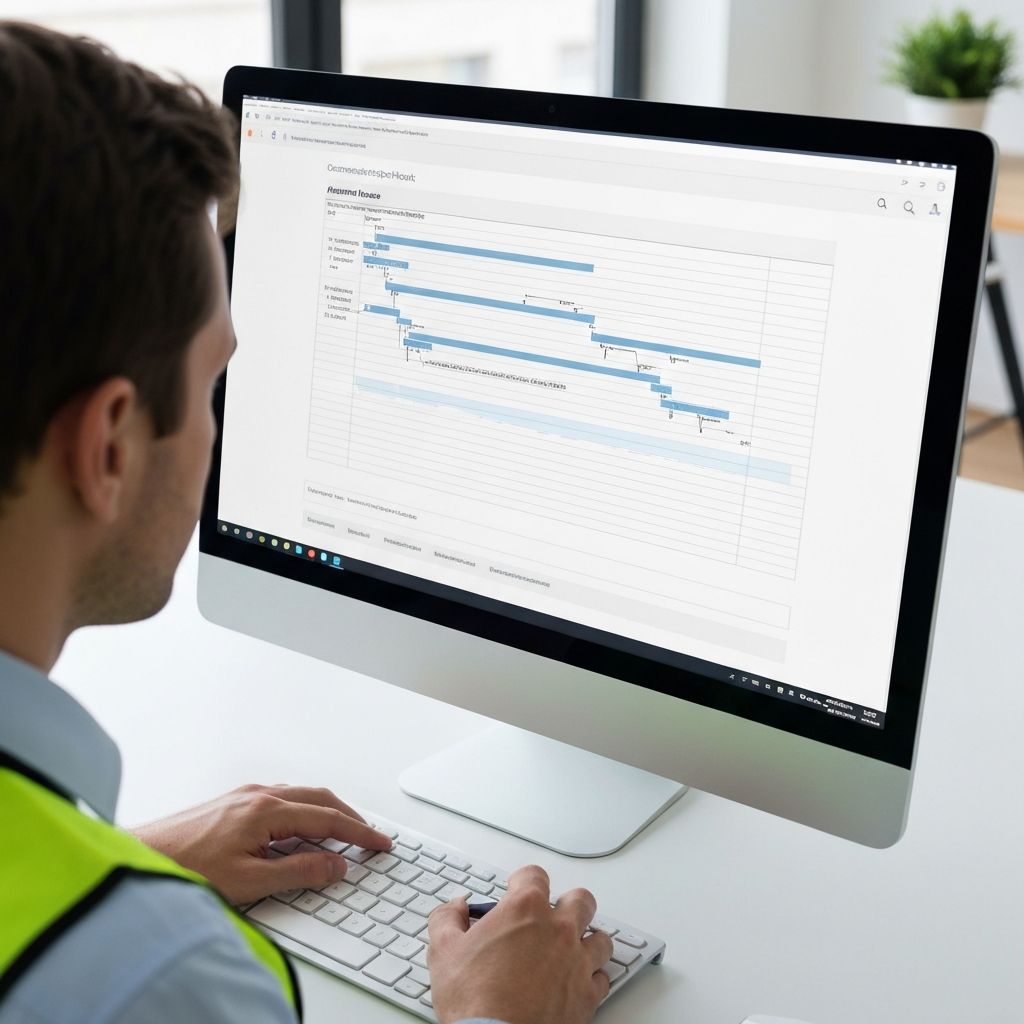
4D BIM -- linking your model to your construction schedule -- is where the real project management value emerges. When stakeholders can visually see the planned construction sequence, communication improves dramatically. Sequencing conflicts become obvious, logistics planning improves, and progress tracking becomes visual rather than abstract.
BIM is not about technology. It is about information -- getting the right data to the right people at the right time to make better decisions.
Organizations that fully embrace BIM as a project management tool -- not just a design tool -- consistently report 15-25% reductions in rework and 10-15% improvements in schedule performance.