











The construction industry is undergoing a seismic shift. Artificial intelligence, once the domain of tech startups and software companies, is now making its way onto job sites, into estimating offices, and throughout the entire project lifecycle. For project managers, this transformation is not a distant future scenario -- it is happening right now.
Predictive Scheduling and Risk Detection
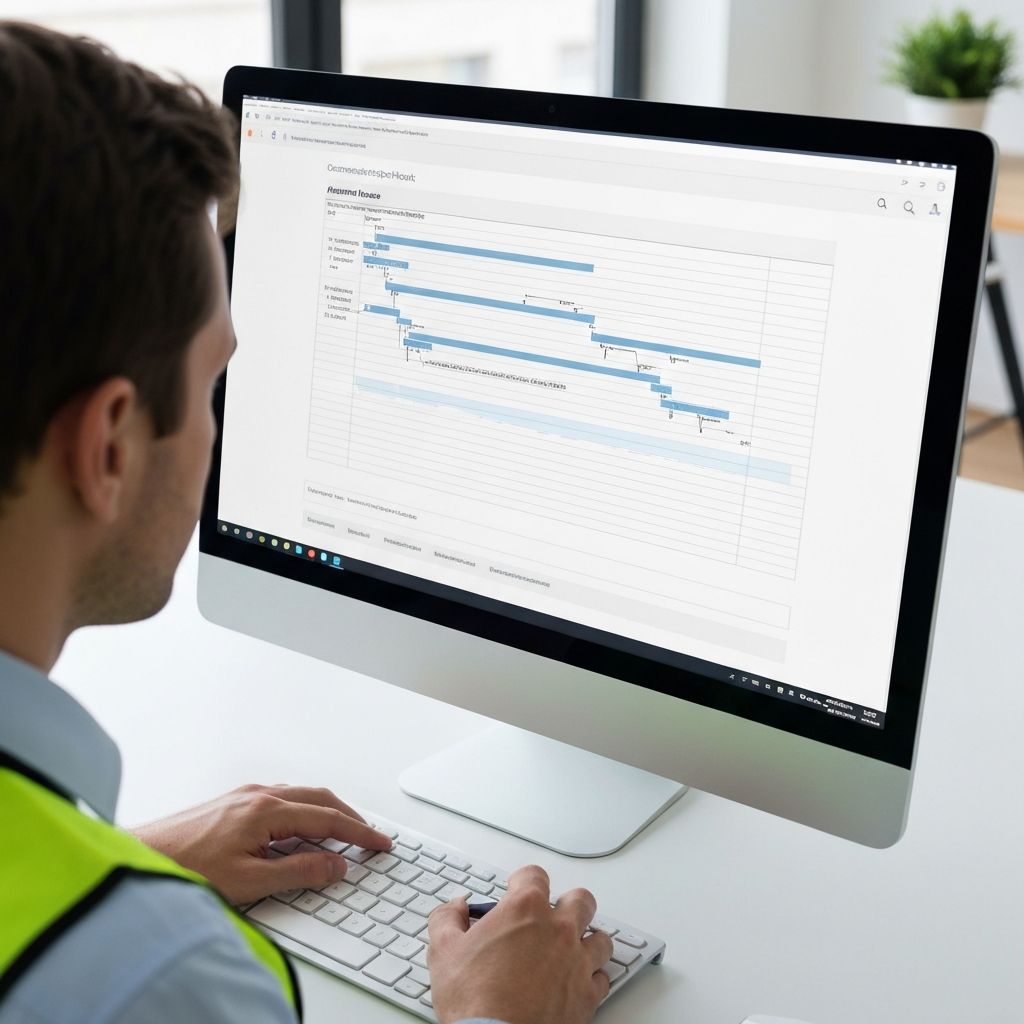
One of the most impactful applications of AI in construction is predictive scheduling. Traditional scheduling relies on historical experience and manual adjustments. AI-powered tools analyze thousands of past projects, weather data, supply chain variables, and workforce patterns to forecast delays before they happen. This gives project managers the ability to proactively mitigate risks instead of reacting to them.
For example, machine learning models can identify that a particular trade contractor tends to fall behind during certain weather windows, or that a specific material vendor has a pattern of late deliveries during peak season. Armed with this intelligence, PMs can build smarter contingency plans.
Automated Resource Allocation
Resource allocation has always been one of the most complex challenges in construction management. AI algorithms can now optimize crew assignments, equipment utilization, and material ordering across multiple projects simultaneously. These systems consider factors like skill levels, certifications, travel time, and project priority to make allocation decisions that would take a human planner hours to compute.
Computer Vision on the Job Site
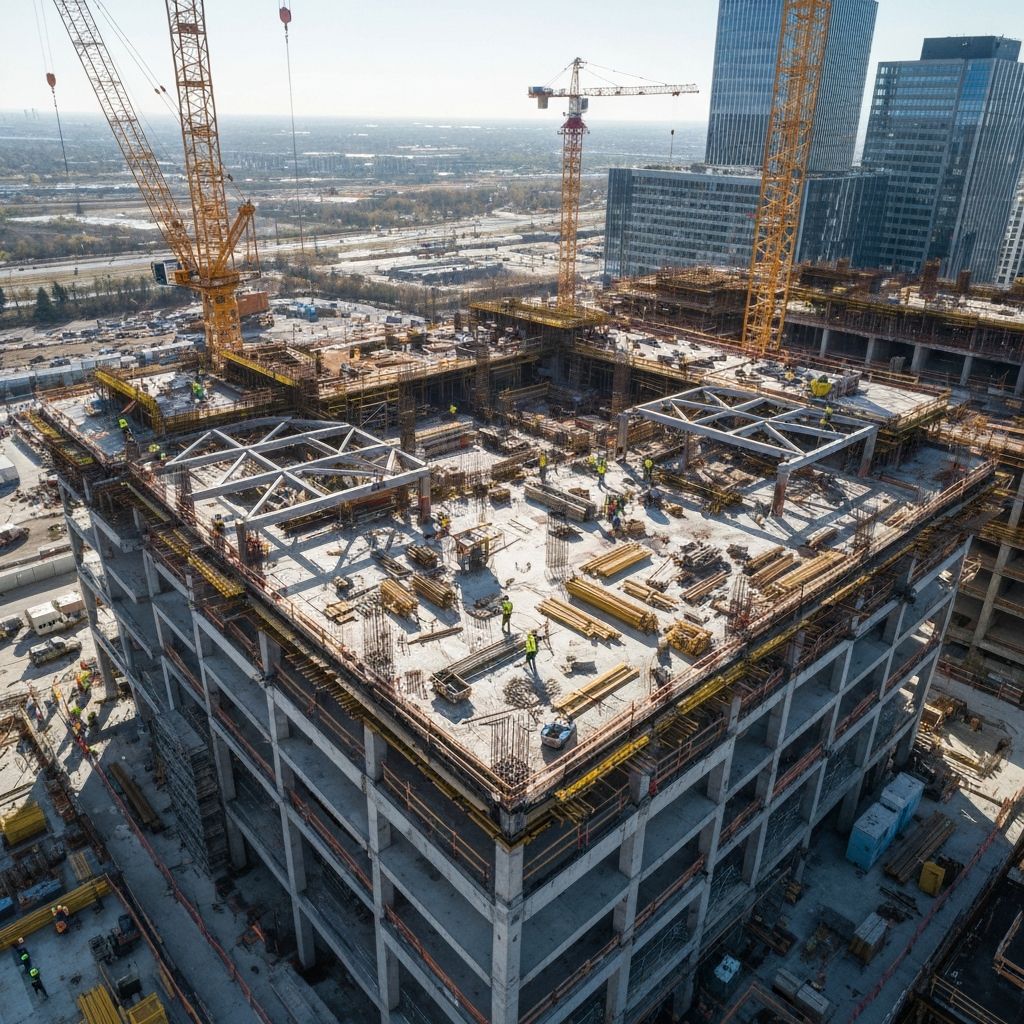
AI-powered computer vision is transforming safety monitoring and progress tracking. Cameras and drones equipped with object detection can identify safety violations in real-time, track installation progress against BIM models, and even detect quality issues before they become costly rework items.
- Real-time safety hazard detection with 95%+ accuracy
- Automated progress tracking compared to 4D BIM schedules
- Quality control through visual inspection of installations
- Automated daily reports generated from site imagery
What This Means for Project Managers
The role of the project manager is not being replaced -- it is being elevated. AI handles the computational heavy lifting, freeing PMs to focus on what they do best: making strategic decisions, managing relationships, and leading teams. The most successful construction professionals of the next decade will be those who embrace AI as a force multiplier for their expertise.
AI will not replace project managers. But project managers who use AI will replace those who do not.
At xPM, we are building our platform around this vision -- augmenting human intelligence with machine intelligence to deliver projects with greater predictability, lower risk, and higher margins.