











After reviewing hundreds of construction schedules across diverse project types, certain patterns emerge repeatedly. These scheduling mistakes cost the industry billions annually in delays, claims, and rework. Here are the five most common -- and how to avoid each one.
1. Insufficient Activity Detail
The most common mistake is creating schedules with activities that are too broad. An activity like 'Complete 2nd Floor' tells you nothing about the sequence of work, resource requirements, or dependencies. Break every major activity into tasks no longer than 10-15 working days. This gives you meaningful milestones and early warning signals when things start to drift.
2. Missing or Incorrect Logic Ties
A schedule without proper logic is just a list of activities with dates. Every activity should have at least one predecessor and one successor (except the project start and finish milestones). Use Finish-to-Start relationships as your default, and only use Start-to-Start or Finish-to-Finish when there is a genuine operational reason.
3. Ignoring Resource Constraints
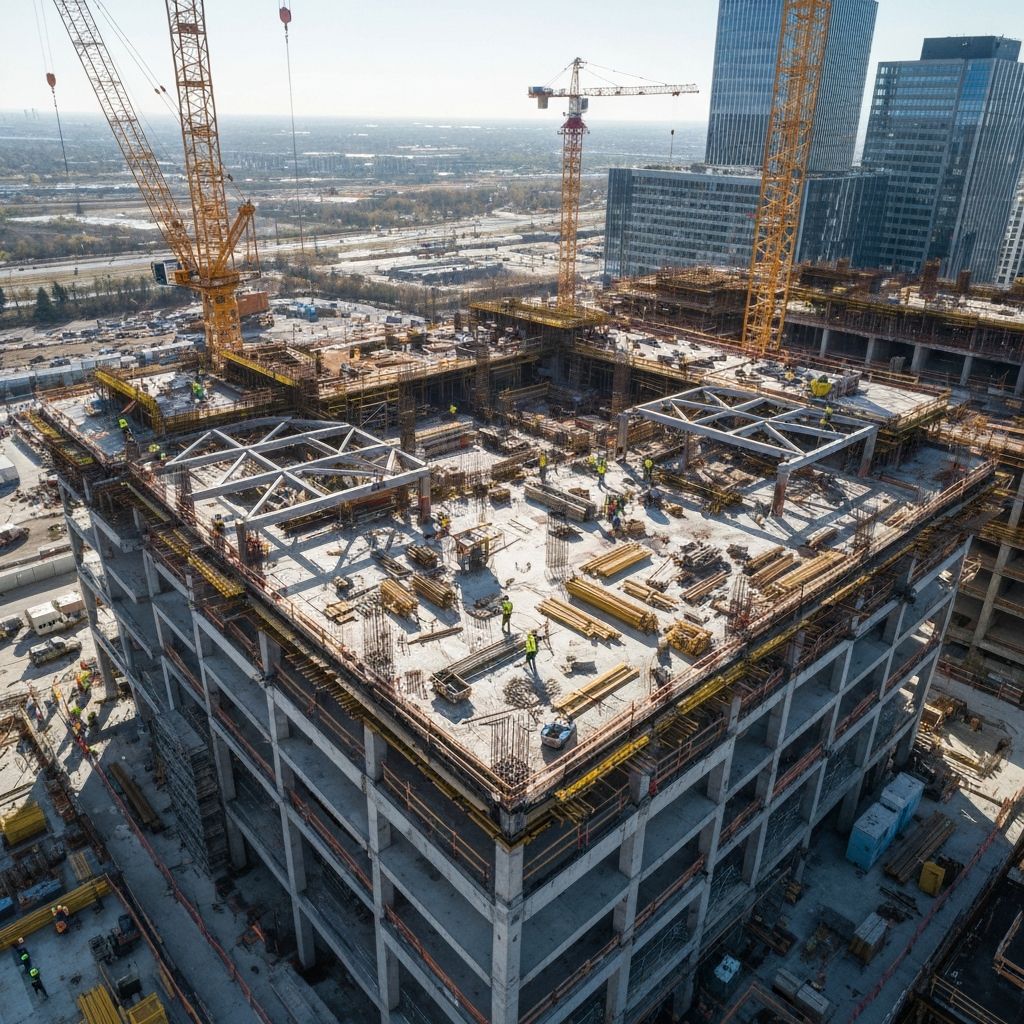
Many schedules show activities running in parallel that cannot physically happen simultaneously due to resource limitations. If you only have one tower crane, two concurrent concrete pours on different floors is not realistic. Resource-load your schedule to identify these conflicts early.
4. No Weather or Seasonal Allowances
Outdoor construction is weather-dependent, yet many schedules treat every day as a fair-weather workday. Build weather contingency into your schedule based on historical data for your region. For example, if your area historically loses 15% of winter working days to weather, account for that in your durations.
5. Failing to Update and Re-Baseline
A schedule is a living document. The biggest scheduling failure is creating a beautiful baseline schedule and then never updating it meaningfully. Establish a weekly update cycle: capture actual start/finish dates, update remaining durations, and analyze the impact on the critical path. When the project fundamentally changes scope, do not be afraid to re-baseline.
A schedule that is not updated is worse than no schedule at all -- it gives false confidence in an outdated plan.
By addressing these five areas, you can dramatically improve the reliability of your construction schedules and build greater trust with your stakeholders.