










Project controls is the nervous system of construction management. It encompasses the processes, tools, and techniques used to monitor, forecast, and influence a project's cost and schedule performance. Without effective project controls, even the most talented project teams are flying blind.
The Four Pillars of Project Controls
Effective project controls rest on four integrated disciplines: cost management (tracking actual costs against budget), schedule management (monitoring progress against baseline), change management (evaluating and incorporating scope changes), and risk management (identifying and mitigating threats). These four disciplines must work together -- isolating any one of them defeats the purpose.
Setting Up Your Cost Baseline
Your cost baseline is the approved budget against which all performance is measured. It should be structured using a Work Breakdown Structure (WBS) that aligns with both your schedule activities and your accounting cost codes. This alignment is what enables meaningful earned value analysis -- without it, you cannot accurately compare planned versus actual performance.
- Align WBS with schedule activities and accounting cost codes
- Establish clear cost baseline with management reserve separated
- Define change control procedures before construction begins
- Implement weekly cost collection and reporting cycles
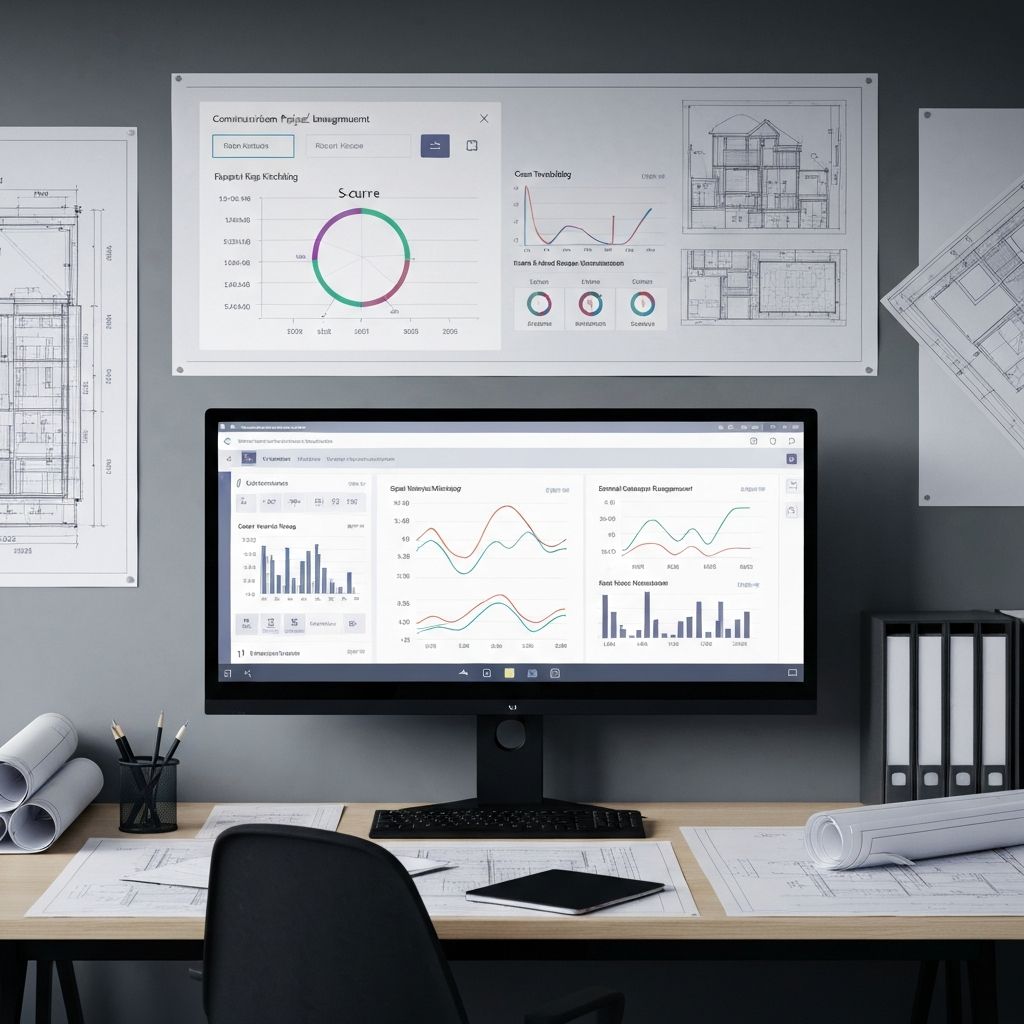
- Use S-curves to visualize planned versus actual expenditure
Forecasting: The Most Valuable Skill
Accurate forecasting separates good project controllers from great ones. The Estimate at Completion (EAC) should be updated monthly at minimum, incorporating actual performance data, known changes, and anticipated risks. Use multiple forecasting methods (CPI-based, bottom-up, and management assessment) and reconcile the differences. When all three methods agree, you have high confidence. When they diverge, you have found an area requiring investigation.
The purpose of project controls is not to produce reports. It is to produce foresight -- the ability to see tomorrow's problems today and act before they become crises.
Investing in project controls infrastructure at the start of a project is the highest-return investment available. Every dollar spent on effective cost and schedule monitoring saves five to ten dollars in prevented overruns and claims.