










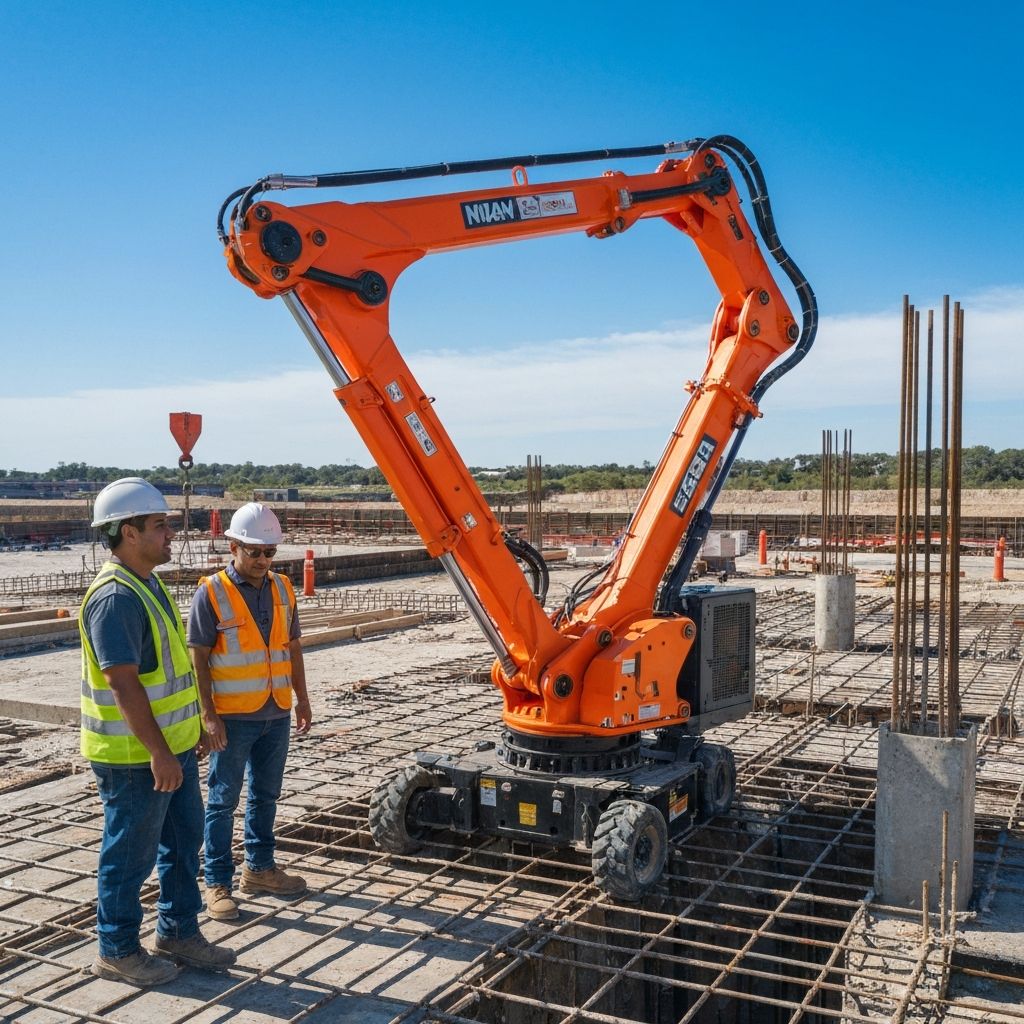
The construction technology landscape is evolving faster than ever. After years of being one of the least digitized industries, construction is now experiencing a wave of innovation driven by labor shortages, margin pressure, and increasing project complexity. Here are the technology trends that will have the greatest impact in 2025.
Robotics and Autonomous Equipment
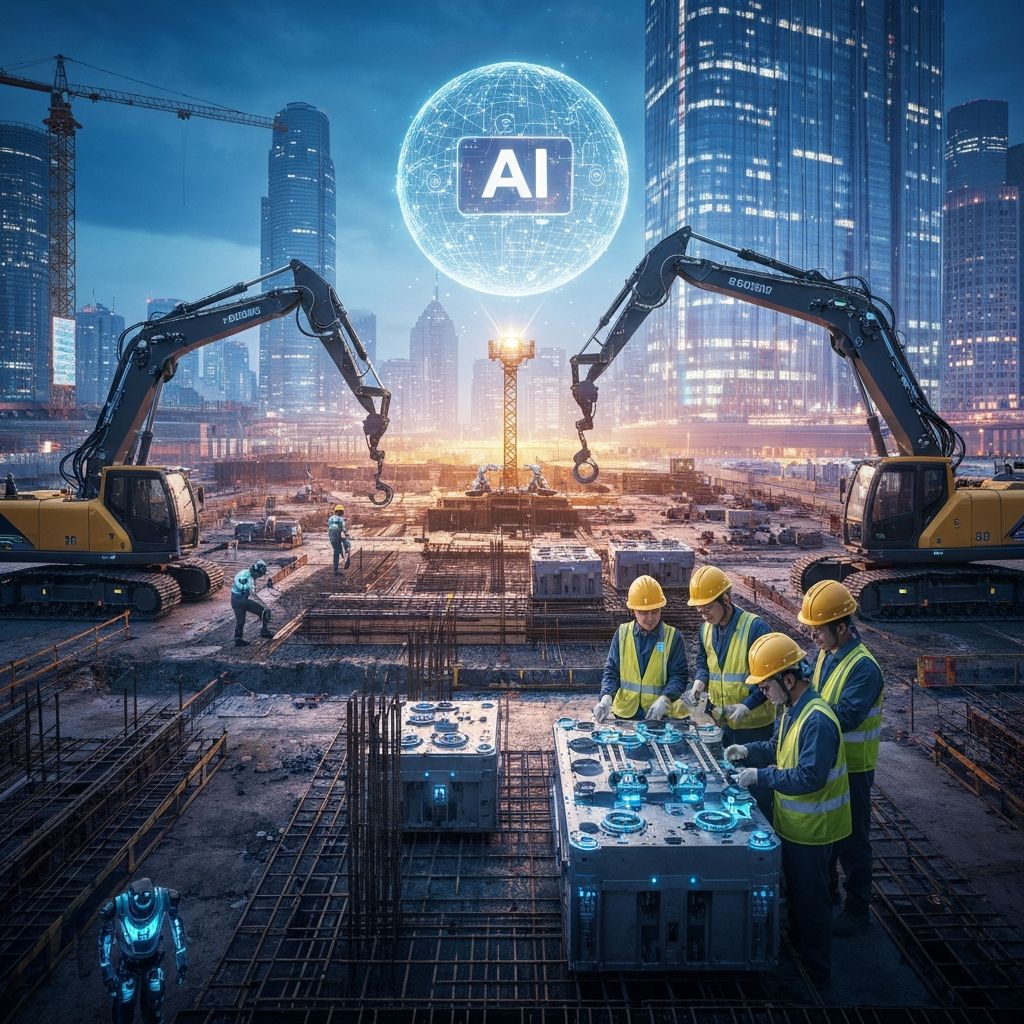
Construction robotics has moved beyond prototypes. Autonomous excavators, bricklaying robots, and 3D concrete printers are now commercially available and being deployed on real projects. While they will not replace skilled tradespeople, they will augment workforce capacity in an industry facing a chronic labor shortage. Expect to see robotic systems handling repetitive, physically demanding tasks while human workers focus on complex, judgment-intensive activities.
Generative AI for Estimation and Design
Large language models and generative AI are transforming estimation and preconstruction. AI systems can now analyze historical project data to generate preliminary estimates in hours instead of weeks, identify design optimization opportunities, and even draft specifications. The key is treating AI as a first-draft generator that experienced professionals review and refine -- not as a replacement for expertise.
Blockchain for Supply Chain Transparency
Blockchain technology is finding practical application in construction supply chain management. By creating immutable records of material sourcing, certifications, and chain of custody, blockchain enables verifiable sustainability reporting, reduces counterfeit material risk, and streamlines payment processing across multi-tier subcontractor networks.
- Autonomous equipment for earthwork, demolition, and material handling
- Generative AI for estimation, scheduling, and design optimization
- Blockchain-verified supply chains for materials provenance
- Advanced reality capture combining drone, LiDAR, and photogrammetry
- Edge computing for real-time on-site data processing
The Integration Imperative
The most important trend is not any single technology -- it is integration. The construction firms seeing the greatest returns are those connecting their BIM, scheduling, cost, field management, and safety systems into unified platforms. Point solutions create data silos. Integrated platforms create intelligence.
Technology adoption in construction is no longer optional. It is a competitive survival requirement.
The firms that will thrive in 2025 and beyond are not necessarily the ones with the most technology, but those with the best-integrated technology stacks aligned to clear business outcomes.