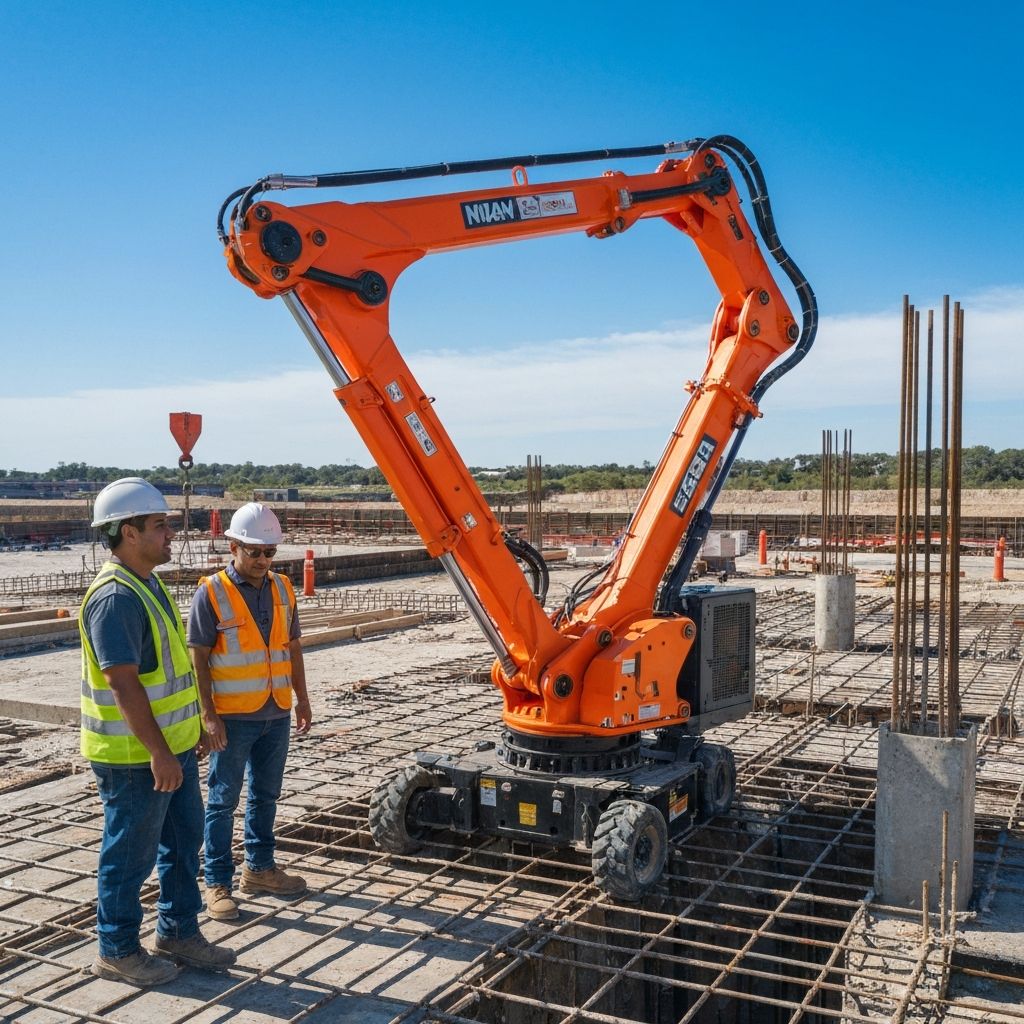










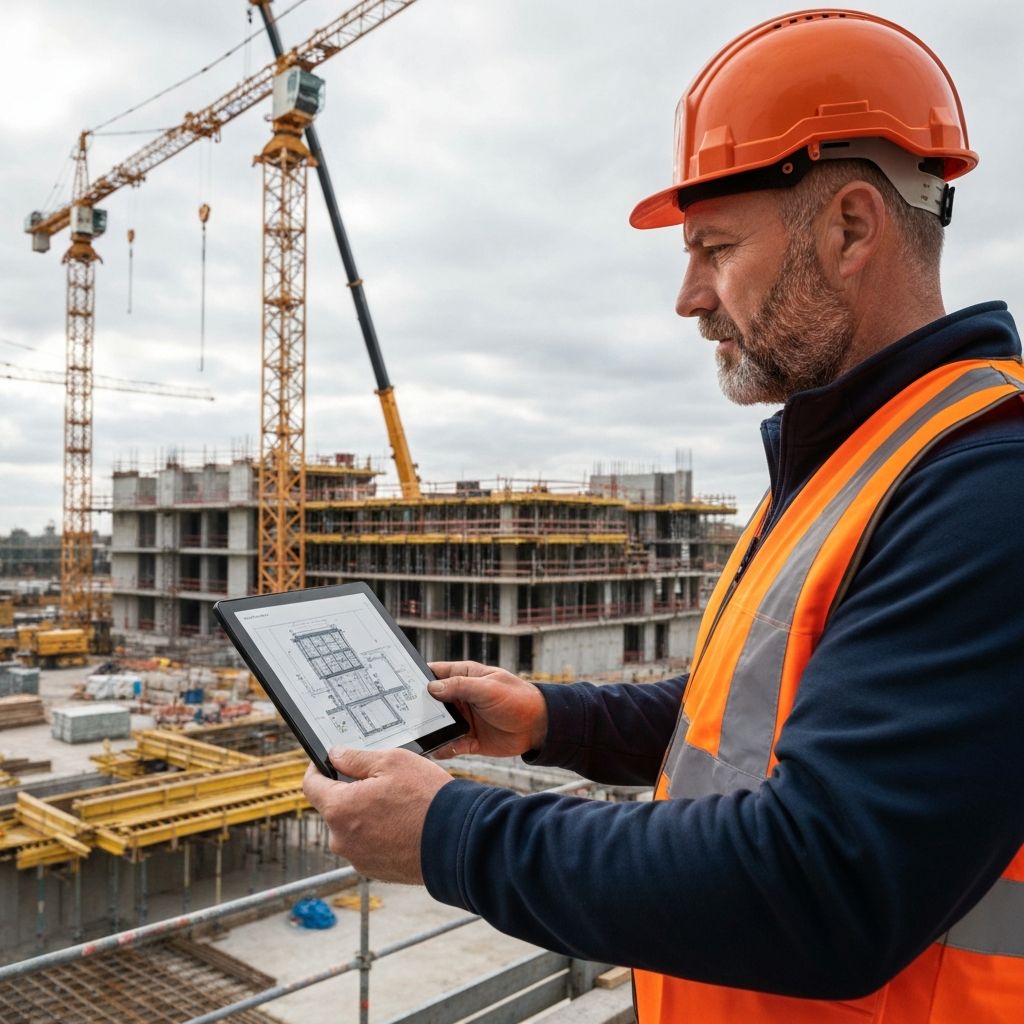
Construction is one of the last major industries where critical decisions are still made on paper. While the office team works with sophisticated software, field superintendents, foremen, and inspectors often rely on paper forms, walkie-talkies, and memory. This disconnect between field and office is one of the largest sources of waste in the industry.
The Field-Office Disconnect
When a field team member identifies an issue -- a design conflict, a material shortage, a safety hazard -- the information typically flows through a chain of verbal reports, hastily scribbled notes, and end-of-day summaries before it reaches the people who can act on it. By then, hours or days have been lost. Mobile-first tools eliminate this lag entirely.
What Mobile-First Actually Means
Mobile-first does not mean shrinking a desktop application onto a phone screen. It means designing workflows specifically for the constraints and advantages of mobile devices: offline capability for areas with poor connectivity, camera integration for photo documentation, GPS-tagged data capture, voice-to-text for hands-free input, and interfaces designed for gloved hands and bright sunlight.
- Offline-first architecture for remote or underground work
- Camera-integrated inspection and documentation workflows
- GPS-tagged observations linked automatically to project zones
- Voice-to-text reporting for hands-free field documentation
- Rugged-optimized UI designed for outdoor conditions
Measurable Impact
Organizations that have successfully deployed mobile-first project management tools report an average 35% reduction in RFI response time, 50% improvement in daily report completion rates, and 25% faster deficiency resolution. These are not marginal gains -- they represent fundamental improvements in project execution quality.
At xPM, our entire platform is built mobile-first. Every feature available on desktop works seamlessly on mobile devices, ensuring your field teams have the same powerful tools as your office staff.