









Sustainability in construction has evolved from a nice-to-have to a business imperative. Clients increasingly require LEED, BREEAM, or equivalent certifications. Regulations are tightening around embodied carbon. And the workforce is gravitating toward companies with genuine environmental commitments. The question is no longer whether to build sustainably, but how to do it without blowing your budget or timeline.
Integrating Sustainability into Scheduling
Sustainable construction often requires different sequencing than conventional building. Green roofs need earlier structural coordination. Recycled material procurement has longer lead times. LEED commissioning adds activities to the closeout phase. These differences must be built into your schedule from Day 1, not retrofitted later.
Cost Management for Green Building
The myth that green building is always more expensive is outdated. While some sustainable materials carry a premium, the total cost of ownership -- including energy savings, maintenance reductions, and carbon credit value -- often favors the green approach. The key is tracking lifecycle costs, not just first costs, in your project controls system.
- Track embodied carbon alongside traditional cost metrics
- Model lifecycle costs to justify green material premiums
- Schedule LEED/BREEAM documentation milestones alongside construction milestones
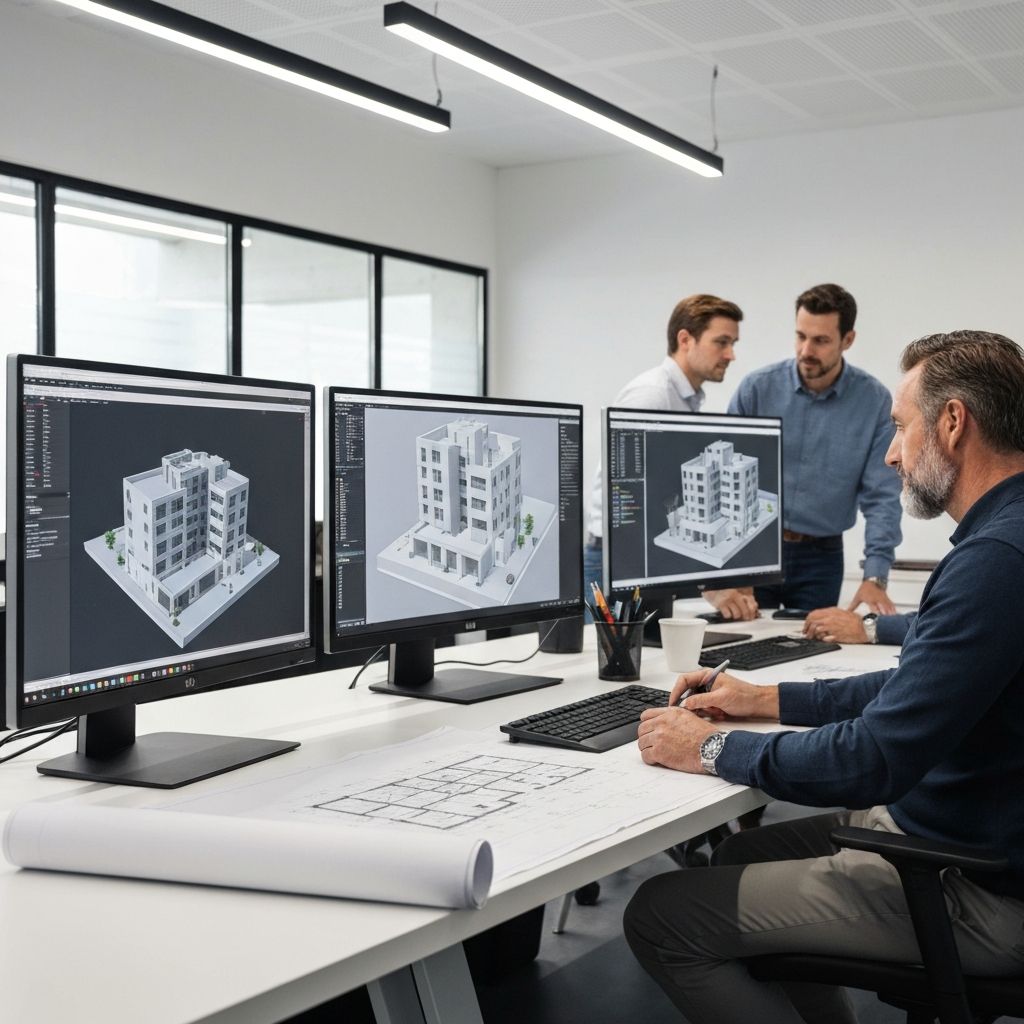
- Use BIM to optimize material quantities and reduce waste
- Implement on-site waste tracking and diversion monitoring
The Reporting Advantage
One underappreciated benefit of sustainable construction practices is the discipline they bring to project management. Tracking waste diversion rates, energy use during construction, and material sourcing provenance requires rigorous data collection. This same rigor improves your overall project controls capability, benefiting every aspect of project delivery.
The best sustainability programs do not just make buildings greener -- they make project management better.